Ocean forecast
NOAA says El Niño conditions are present and expected to strengthen into winter 2026-27. Strength affects the probability of regional impacts, but it does not guarantee the same result everywhere.
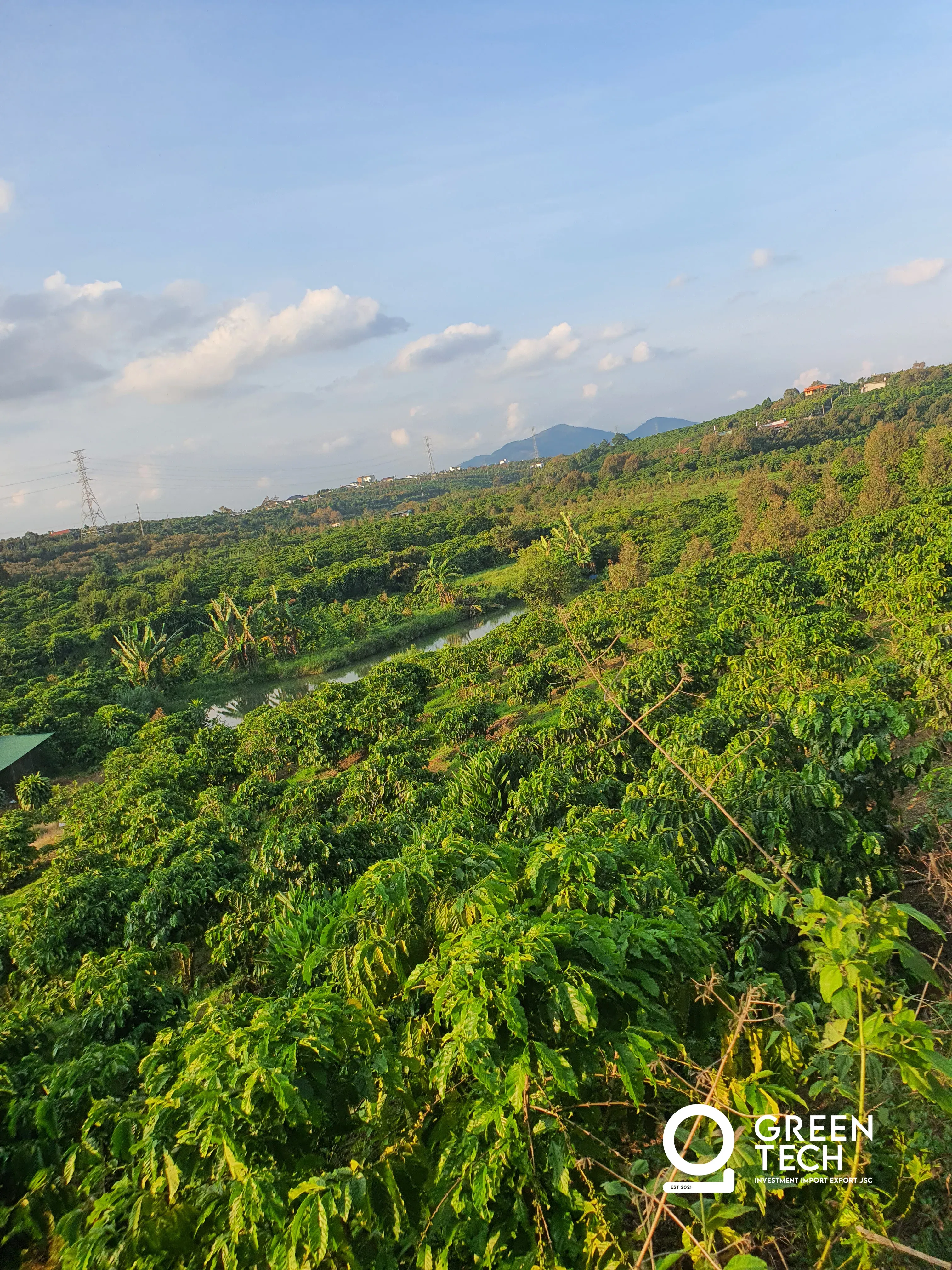
Vietnam crop risk report · Updated June 17, 2026
A procurement-focused guide to how the 2026 El Niño could affect Vietnam coffee, rice, pepper, durian, passion fruit, coconut and dried fruit supply.
Present
NOAA status
El Niño Advisory issued June 11, 2026
63%
Very strong risk
NOAA probability for November-January
Q4-Q1
Buyer risk window
Dry stress can overlap flowering and harvest planning
7 crops
Covered here
Coffee, rice, pepper, durian, passion fruit, coconut and dried fruit inputs
The Practical Takeaway
El Niño changes rainfall, heat and water availability. In Vietnam, the impact becomes commercially serious when dry stress, salinity or heat lines up with flowering, fruit set, grain fill, cherry development or drying.
NOAA says El Niño conditions are present and expected to strengthen into winter 2026-27. Strength affects the probability of regional impacts, but it does not guarantee the same result everywhere.
For Southeast Asia, the main procurement concern is below-normal rainfall and higher heat. Vietnam buyers should translate that into province-level water and salinity checks.
The same dry spell means different things for rice transplanting, coffee flowering, pepper berry set, fruit sizing or drying yards. Calendar alignment is the decision layer.
Vietnam Risk Map
National weather language is too broad for procurement. Use the region, crop and water system together, then decide whether the risk affects volume, quality, timing or price.
Robusta coffee, pepper, passion fruit, durian expansion areas
Weather risk
Water stress during flowering, irrigation pressure, smaller fruit or bean sizing, higher defect risk when farms ration water.
Buyer move
Lock grade, screen size, moisture and replacement-lot rules before the late-year risk premium widens.
Rice, coconut, tropical fruit, raw material for processed fruit
Weather risk
Low river flow can let saltwater move inland, while heat and dry spells raise irrigation demand during sensitive rice stages.
Buyer move
Ask suppliers how they monitor salinity, irrigation source, crop-calendar timing and raw-material substitution.
Dryland crops, livestock feed, selected fruit programs
Weather risk
Rainfall deficits can become supply-chain issues faster where irrigation infrastructure is thin.
Buyer move
Treat origin diversification and shipment buffers as part of the purchase spec, not a later logistics fix.
Selected fruit, vegetables, specialty supply pockets
Weather risk
Less exposed to the classic southern drought signal, but temperature and rainfall variability can still disrupt quality windows.
Buyer move
Use monthly quality approvals rather than assuming one national weather story applies everywhere.
Crop-by-Crop View
The table below turns the climate story into RFQ and quality-control implications for Vietnam agricultural exports.
Robusta coffee
Rice
Black pepper
Durian
Passion fruit
Coconut
Dried fruit inputs
Coffee Deep Dive
A Vietnam coffee crop can look available in aggregate while clean, screen-retained, low-defect export lots become harder to assemble. That is why importers should treat El Niño as a quality and timing risk, not only a production headline.
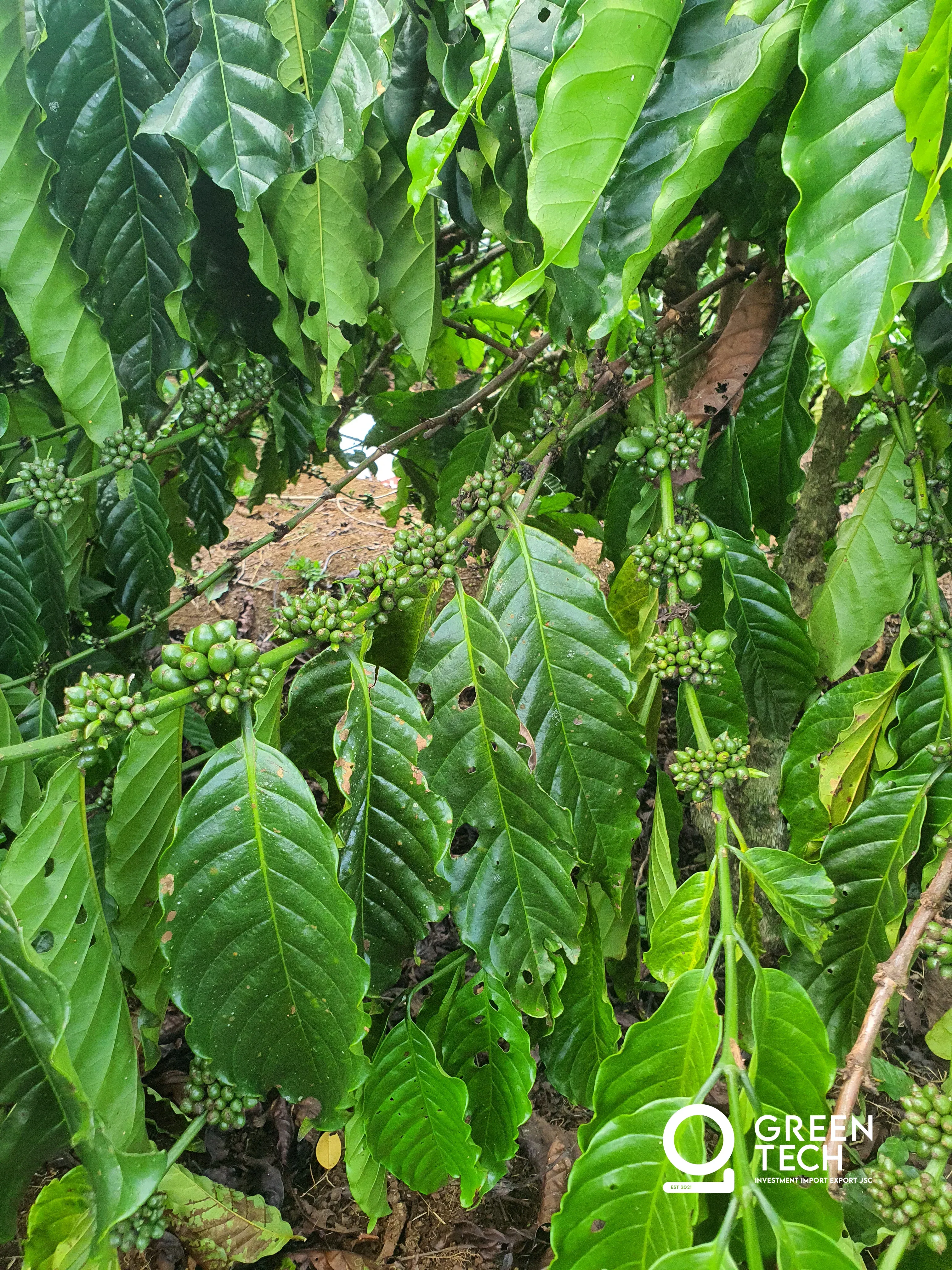
Stress during the flowering window can reduce the uniformity of cherry set. Buyers should watch rainfall in the Central Highlands before the market fully prices grade risk.
Smaller beans and uneven filling can change screen retention, cup profile and the availability of premium S16/S18 lots.
Even when El Niño leans dry, transition periods can create uneven drying. Moisture, water activity and mold controls still matter.
Use screen size, defect limits, moisture, crop year, inspection, retained samples and replacement-lot rules. Then pair this guide with the June coffee market update.
Rice and Delta Salinity
For rice and delta fruit systems, El Niño risk often arrives through a combination of reduced rainfall, lower freshwater flow, higher irrigation demand and saltwater intrusion. That mix can damage fields even when a simple rainfall chart does not tell the whole story.
Importers should therefore watch salinity forecasts, crop-stage timing and district-level irrigation rather than treating Vietnam as a single weather zone. This is especially important for dry-season rice and raw fruit programs where quality depends on water availability at precise stages.
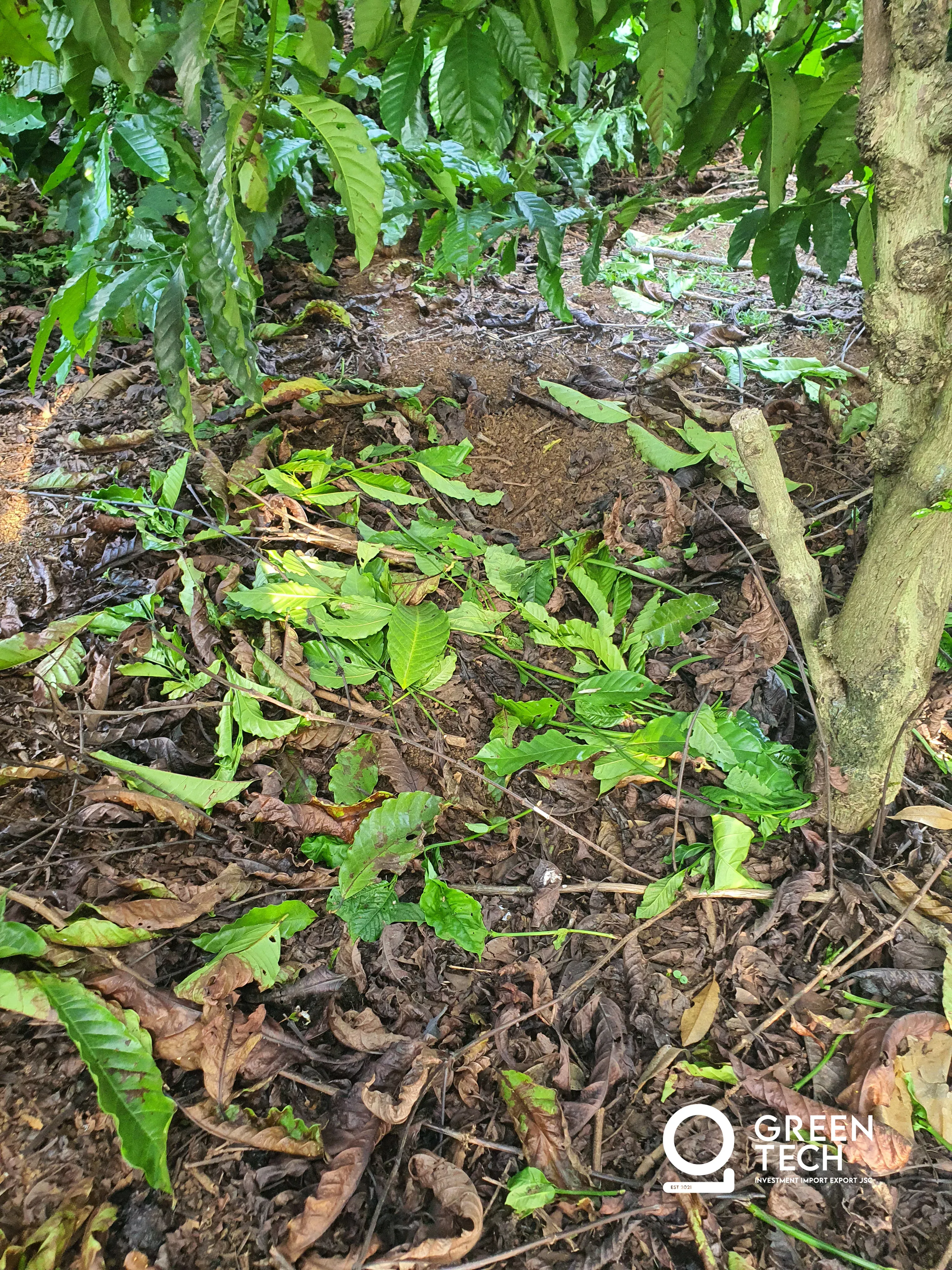
Field signal
Soil cover, irrigation access and farm management can separate resilient lots from exposed lots inside the same province.
Monitoring Calendar
The monitoring sequence below keeps the procurement conversation practical: forecast first, rainfall second, crop calendar third, lot approval last.
June-July 2026
Reconfirm supplier capacity, grade definitions and crop exposure by province.
August-September 2026
Monitor Central Highlands rainfall, coffee flowering risk and pepper/fruit irrigation conditions.
October-December 2026
Secure physical lots early, inspect drying conditions and avoid vague spot commitments.
January-April 2027
Track Mekong Delta salinity, winter-spring rice impact and raw-fruit availability.
Importer Checklist
The safest buyer response is not panic buying. It is clearer specification, earlier supplier validation and tighter approval evidence.
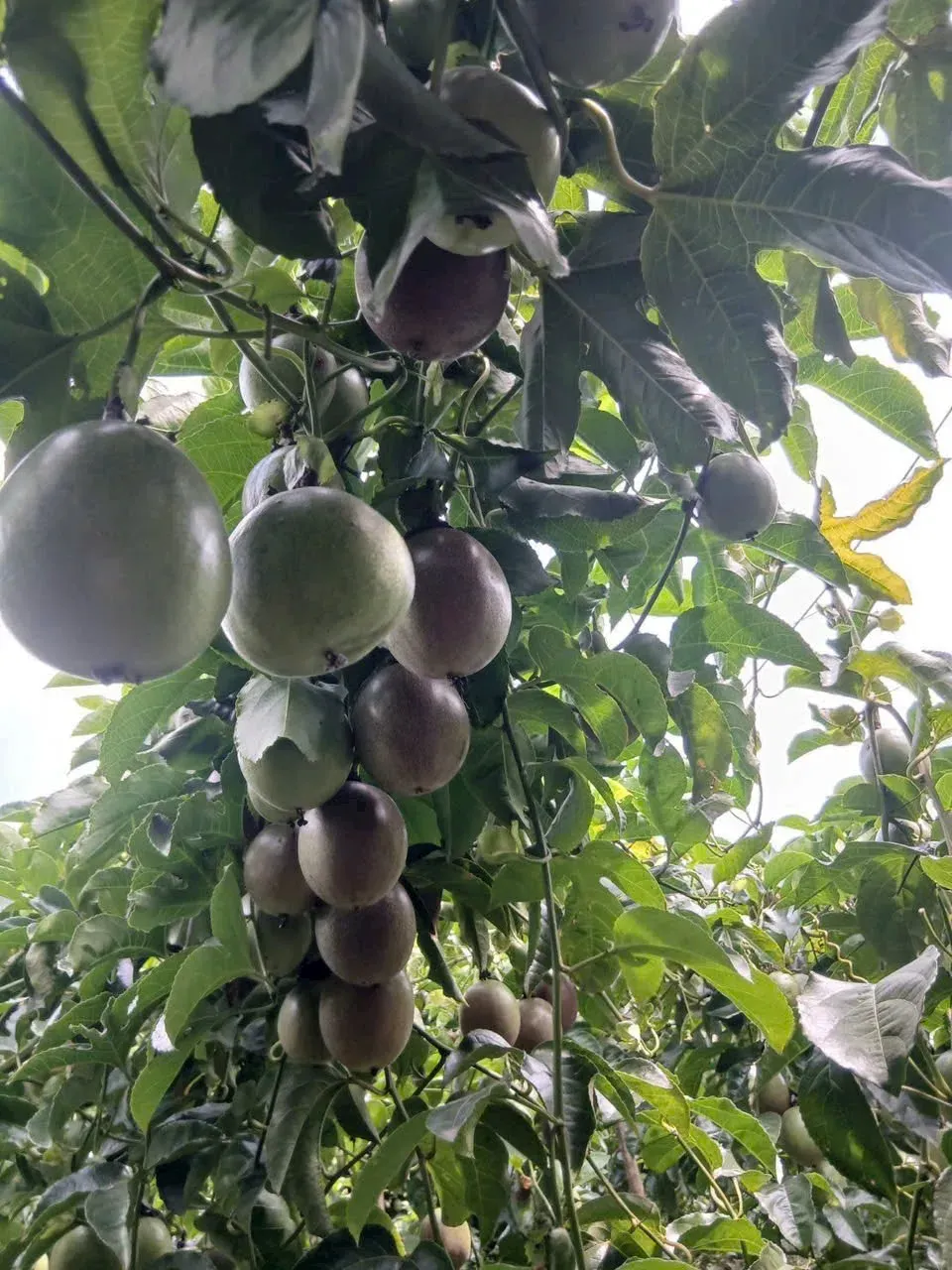
Separate volume risk from quality risk. A crop may be available but fail screen, moisture, Brix or defect requirements.
Tie every contract to a crop calendar. El Niño matters most when stress overlaps flowering, grain fill, fruit sizing or drying.
Ask suppliers which water source they rely on. Rainfed, groundwater, reservoir and canal-fed farms do not carry the same risk.
Lock approval rules before prices move. Define replacement lots, retained samples, third-party inspection and rejection triggers.
Watch logistics second-order effects. Weather stress can bunch harvests, increase drying demand and tighten container-ready lots.
Use internal links between market views. Pair this guide with the coffee market report and sourcing calendar before Q4 purchasing.
Sources and Further Reading
This guide was prepared on June 17, 2026. ENSO forecasts, rainfall outlooks, salinity conditions, prices and export availability can change quickly.
June 11, 2026 update: El Niño conditions are present and expected to strengthen into Northern Hemisphere winter 2026-27.
WMO probabilities before NOAA confirmation: 80% before September and 90% before November, with uncertainty on final strength.
Regional context on Southeast Asian drought, heat, agriculture and water-system exposure.
Existing GreenTech market view on El Niño, Brazil rainfall and Vietnam Robusta price sensitivity.
Companion page for desks that need a tighter view on basis, timing, and cross-commodity exposure.
Crop windows for Robusta coffee, passion fruit, dried fruit and black pepper procurement planning.
Common Questions
01
Yes. NOAA CPC issued an El Niño Advisory on June 11, 2026, stating that El Niño conditions are present and expected to strengthen into Northern Hemisphere winter 2026-27.
02
The highest direct exposure is in water-sensitive crops and regions: Robusta coffee and pepper in the Central Highlands, and rice, coconut and fruit in the Mekong Delta where drought and saltwater intrusion can matter.
03
No. El Niño changes the odds, not the outcome of every farm. Damage depends on timing, irrigation, soil moisture, salinity, variety, farm management and whether stress overlaps a crop-sensitive stage.
04
Buyers should define specifications earlier, confirm water and origin exposure, secure inspected lots before risk premiums widen, and avoid contracts that only mention commodity name and volume without quality controls.
From Forecast to Shipment
GreenTech can help turn crop calendar, grade, inspection and shipment requirements into a Vietnam sourcing brief for coffee, pepper, passion fruit, dried fruit and other agricultural exports.
Chat with us