Vietnamese durian arranged by lot inside an export packing facility

2026 China Buyer Field Guide

Durian that clears
more than inspection.

A shipment needs eligible sources, connected records, an exact quality specification and a cold-chain plan that survives arrival. Use this guide to qualify Vietnamese Ri6 and Monthong before price becomes the only conversation.

Eligibility

Approve the source before the fruit.

Specification

Define maturity before “premium.”

Evidence

Make every carton traceable.

The Commercial Reality

Market access is a chain, not a certificate.

A GACC-related registration reference is important, but it does not replace product eligibility, orchard and packing-source controls, phytosanitary compliance, lot testing or correct Chinese customs declarations.

The importer should be able to move from a carton mark back to the packing date and approved production source. The exporter should be able to show that the fruit loaded is the same lot inspected, sampled and described in the documents.

Build that chain before discussing a repeat program. It reduces clearance risk and also makes quality claims measurable when a shipment arrives with a dispute.
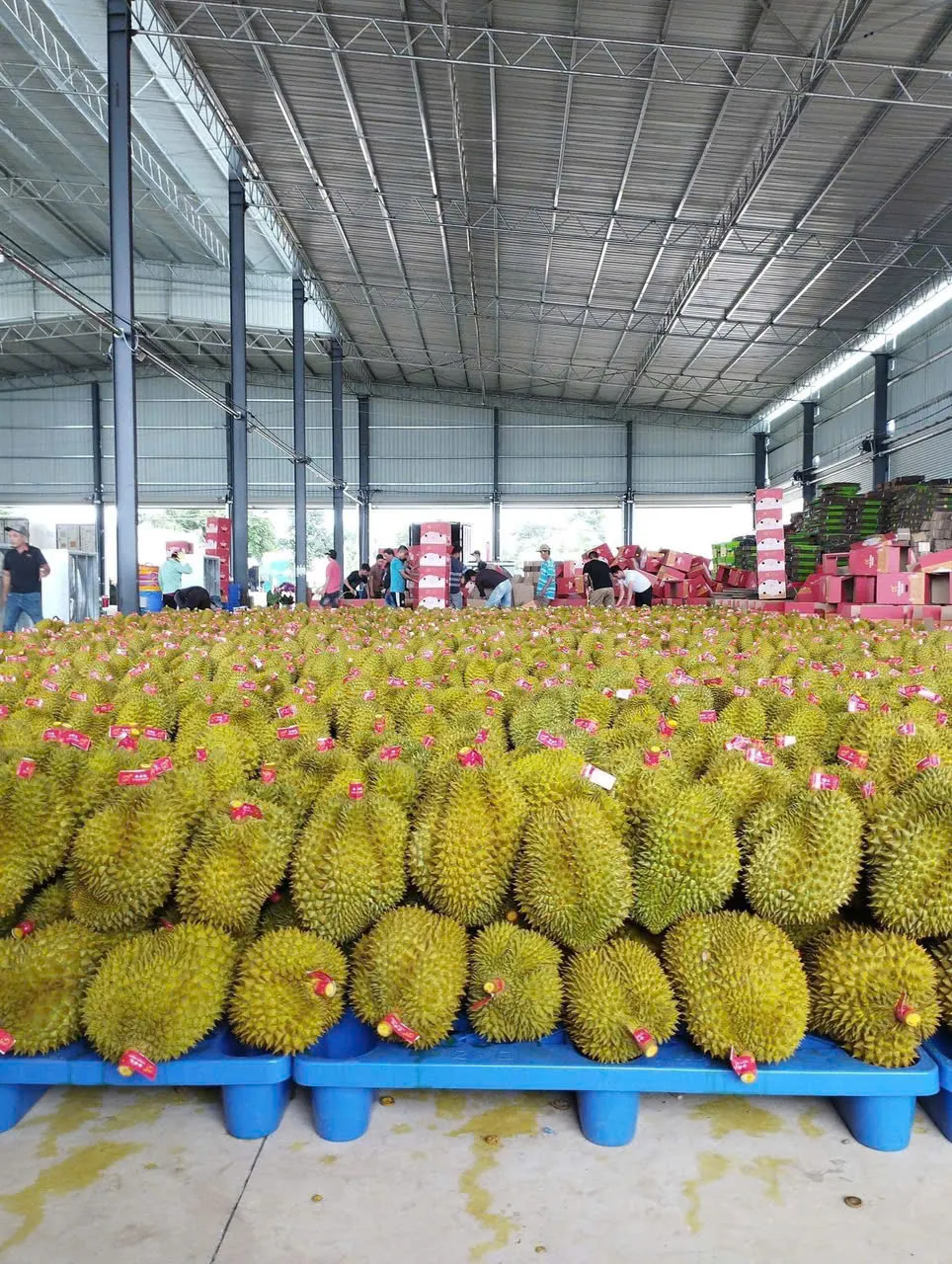
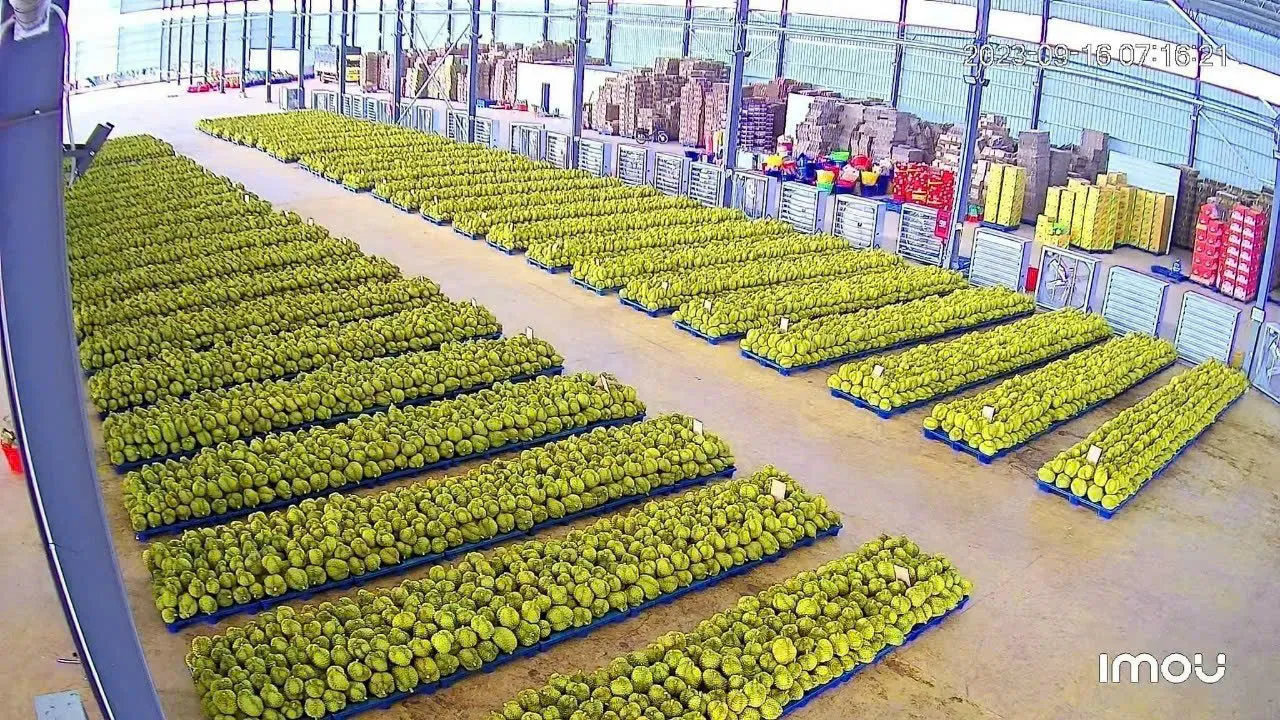
Durian lots staged in rows inside a packing warehouse
Lot separation inside a durian packing facility. Registration and traceability still need to follow the fruit into each carton.

Shipment Architecture

Five gates between an offer and Chinese clearance.

Treat each gate as a hold point. Do not let a later document hide an earlier eligibility or specification gap.

  1. 01

    Confirm the eligible product

    Fresh whole durian and frozen durian are different import programs. Confirm the exact form, variety, HS classification and current bilateral protocol before negotiating the shipment.

  2. 02

    Verify registered facilities

    The supplying orchard and packing house or processing facility must be eligible for China under the applicable protocol. Match registration details to the commercial documents.

  3. 03

    Approve the lot specification

    Contract variety, count or weight band, maturity, external defects, pulp recovery, packaging, temperature plan and rejection rules against an approved sample.

  4. 04

    Complete inspection and testing

    Follow the current phytosanitary, food-safety and customs testing instructions. Testing scope and certificate wording should be confirmed for the shipment date.

  5. 05

    Protect identity in transit

    Keep orchard, packhouse, lot, carton and container references connected. Temperature records and seal details should remain available through Chinese border clearance.

Variety Decision

Buy a named lot, not a familiar label.

Variety names help buyers form expectations, but they do not guarantee maturity, flesh recovery, texture or arrival condition. Approve each program against measurable criteria and a retained reference.

View GreenTech durian supply
Buyer profile 01

Vietnam Ri6

Vietnamese commercial variety with a rich, sweet profile and yellow flesh.

Inspect

Uniform maturity, edible recovery, seed size, flesh color, aroma and resistance to handling.

Contract note

Do not accept “Ri6 style” as a substitute for an identified variety and approved lot sample.

Buyer profile 02

Monthong

A widely traded regional variety valued for large segments, thick flesh and transport familiarity.

Inspect

Varietal authenticity, maturity window, segment fill, texture and shipment condition.

Contract note

State whether the offer is Vietnam-grown Monthong and identify the registered production source.

The Buyer File

Eight records that should agree.

This is a procurement working file, not a promise that every item is a statutory requirement for every shipment. Ask the Chinese customs broker to confirm the final declaration and certificate set.

The lot code is the spine. Every report should connect back to it.

01 Commercial identity
Exporter and importer details, contract, invoice, packing list, product description, variety, quantity, net weight and Incoterm.
02 Registration evidence
Current orchard and packing-house or processing-facility registration details applicable to the product form.
03 Traceability
Orchard code, packing-house code, harvest date, packing date, lot code, carton marks and container or vehicle reference.
04 Plant health
Phytosanitary certificate and any additional declarations required by the current protocol.
05 Food safety
Lot-specific laboratory results requested by the importer or authorities, with sampling identity tied to the shipment.
06 Cold chain
Pre-cooling record, loading temperature, set point, ventilation and humidity plan where applicable, data logger and seal number.
07 Quality acceptance
Signed specification, approved reference sample or photos, inspection method, tolerances and claims procedure.
08 Origin and customs
Certificate of origin where used, HS classification, customs declaration data and destination-port instructions.

Failure Modes

Where China-bound programs lose control.

Most failures are not mysterious. A record, method or responsibility was left undefined before the container moved.

01

Registration mismatch

Warning sign: Codes on cartons, certificates and the approved list do not align.

Control: Cross-check every code before loading and retain a screenshot or export of the current registration record.

02

Unclear maturity

Warning sign: The contract says “80–85% ripe” without a shared measurement method.

Control: Define maturity indicators, sampling rate, opening test, flesh condition and tolerance by lot.

03

Testing without lot identity

Warning sign: A laboratory report cannot be linked to the loaded orchard lots and packing date.

Control: Put lot references on the sample submission, report, pallet record and packing list.

04

Cold-chain gaps

Warning sign: Set point is recorded, but pre-cooling, pulp temperature or logger data is missing.

Control: Agree the complete temperature protocol, logger placement and responsibility for excursion review.

05

Packaging built for appearance

Warning sign: Cartons look premium but collapse, restrict ventilation or allow fruit movement.

Control: Approve carton strength, ventilation, fruit restraint, net weight, pallet pattern and reefer airflow.

06

Protocol assumed from last season

Warning sign: Documents are copied from an earlier shipment without checking current instructions.

Control: Reconfirm requirements with the importer, broker and competent authorities before each program.

Supplier Qualification

Ask these before requesting the final price.

A supplier that can answer these with named records is easier to qualify than one offering only certificates and broad assurances.

  1. 01

    Which registered orchards and packing house will supply this exact lot?

  2. 02

    Is the offer fresh whole fruit, frozen pulp or another form covered by a separate protocol?

  3. 03

    How is Ri6 or Monthong varietal identity maintained when fruit from farms is aggregated?

  4. 04

    What maturity method and opening-sample plan will be used before loading?

  5. 05

    Which tests are required for this shipment, who samples the lot and how is the sample sealed?

  6. 06

    How will carton codes connect to orchard, packing date, pallet and container records?

  7. 07

    What are the pre-cooling, reefer set point, ventilation and data-logger instructions?

  8. 08

    What happens if arrival inspection finds a maturity, decay, temperature or documentation deviation?

Importer FAQ

Questions buyers ask first.

01 Can Vietnam export fresh durian to China?

Yes, eligible Vietnamese fresh durian can enter China under the bilateral phytosanitary framework. The shipment must use eligible production and packing sources and meet the current inspection, traceability, labeling and certification requirements.

02 Does a Chinese importer need a GACC-registered supplier?

The exact registration route depends on the product and facility. Buyers should verify the relevant orchard, packing-house and overseas food-facility records for the product form rather than relying on a supplier statement or logo alone.

03 What documents normally travel with a fresh durian shipment?

The working file commonly includes commercial documents, phytosanitary certification, registration and traceability references, packing details, certificate of origin where used, test reports requested for the lot, and cold-chain records. The broker should confirm the final list before loading.

04 Is Ri6 or Monthong better for the Chinese market?

Neither is universally better. Ri6 can offer a distinctive rich profile, while Monthong is familiar to many commercial buyers. The correct choice depends on channel, price point, transit plan, maturity target and the importer’s approved sample.

05 What temperature should fresh durian be shipped at?

There is no responsible one-number answer without the variety, maturity, treatment, route, packaging and carrier plan. The exporter, importer and reefer provider should agree pre-cooling, pulp temperature, set point, ventilation and monitoring instructions before loading.

Build a China-Ready Offer

Start with variety, destination and arrival window.

Share the required variety, volume, Chinese port, shipment window, pack format and quality target. GreenTech can prepare a lot-specific availability and document discussion.